
Do You Need a Running Coach for a 5K or 10K?
When people think about hiring a running coach, they usually picture someone training for a marathon.
After all, 26.2 miles sounds like a challenge that deserves professional guidance.
But what about a 5K or 10K?
Many runners assume those shorter races don't require coaching because the distance isn't as intimidating. They figure they can simply run a few times each week, increase their mileage a little, and show up on race day.
Sometimes that works.
Often, though, it leaves runners frustrated because they're not getting faster, they're dealing with nagging injuries, or they're putting in plenty of effort without seeing the results they expected.
The truth is that coaching can be just as valuable for someone training for a 5K or 10K as it is for someone preparing for a marathon. In fact, shorter races require a different type of training, and having the right guidance can make a tremendous difference in both performance and injury prevention.
Shorter Races Still Require Smart Training
One of the biggest misconceptions about shorter races is that they're easier simply because they don't last as long.
While you'll spend less time on the course, a 5K or 10K often requires runners to sustain a much faster pace than they would during longer races. That means workouts need to be carefully balanced between building endurance, developing speed, improving strength, and allowing adequate recovery.
Simply running hard every day isn't an effective strategy.
In many cases, it's exactly what prevents runners from reaching their goals.
Why Coaching Can Make a Big Difference
Whether you're training for your first 5K or trying to set a new personal best in the 10K, a running coach provides much more than a weekly workout schedule.
Helping You Avoid Injuries
One of the biggest benefits of coaching is reducing injury risk.
Many runners preparing for shorter races believe they need to run every workout fast because the race itself is fast. That often leads to sore muscles, overuse injuries, and inconsistent training.
A coach helps balance easy runs, quality workouts, strength training, and recovery so your body continues adapting instead of breaking down.
Helping You Reach a Specific Time Goal
Many runners don't simply want to finish a 5K.
They want to break 30 minutes.
Run under 25 minutes.
Finally qualify for a goal they've been chasing.
Those goals require more than simply running more miles.
A coach builds workouts around your current fitness level, adjusts your training as you improve, and helps you peak at the right time so you're ready when race day arrives.
Helping You Recover Better
Recovery often gets overlooked in shorter race training.
Because the distance isn't as long as a marathon, many runners assume recovery isn't as important.
The opposite is true.
High-intensity workouts create significant stress on the body. Without proper recovery, runners struggle to adapt to training and often find themselves feeling tired, sore, or stuck at the same pace for weeks.
A coach helps you understand when to push, when to recover, and how nutrition, sleep, and easy running all contribute to better performance.
Common Mistakes Runners Make Training for a 5K or 10K
Most runners don't struggle because they aren't working hard enough.
They struggle because they're working hard all the time.
Running Every Workout Too Fast
This is easily the most common mistake I see.
Runners head out for an easy run and gradually turn it into another hard workout. Over time, every run becomes moderately difficult, leaving very little energy for the workouts that actually matter.
The result is slower progress, increased fatigue, and a greater chance of injury.
Easy runs should actually feel easy.
They're what allow you to perform well during speed workouts and race-specific sessions.
Not Fueling Because "It's Only a 5K"
Many runners pay close attention to nutrition when training for a marathon but completely ignore it while preparing for shorter races.
Your body doesn't know you're "only" running a 5K.
It still needs energy to recover from hard workouts and adapt to training.
Consistently under-fueling can leave runners feeling sluggish, recovering more slowly, and struggling to improve despite training consistently.
A Real Story: More Than Five Minutes Faster
One runner came to me with two goals.
She wanted to break 35 minutes in the 5K.
She also wanted to eliminate the knee pain that had been limiting her training.
Instead of immediately adding speed workouts, we focused on building a stronger foundation.
We emphasized strength training, corrected weaknesses that were contributing to her pain, and kept her running at easier efforts while her body adapted. Once her knee pain improved, we gradually introduced tempo runs and track workouts that matched her fitness level.
The results spoke for themselves.
She not only eliminated her knee pain, but she also ran a sub-30-minute 5K—improving her time by more than five minutes.
That kind of progress doesn't happen because of one magical workout.
It happens because every part of the training plan works together.
Coaching Isn't Just for Elite Runners
Some runners hesitate to hire a coach because they think coaching is only for Boston Marathon qualifiers or elite athletes.
That's simply not true.
Many of my athletes are training for their first organized race.
Others are returning after an injury.
Some simply want to enjoy running without constantly wondering whether they're training correctly.
If you've been asking yourself whether coaching is worth it for your experience level, Is Hiring a Running Coach Worth It for Beginners? explains why so many runners benefit from expert guidance much earlier than they expected.
What Does Coaching Actually Look Like?
Another common misconception is that coaching means constant meetings or someone watching every workout.
Modern coaching is much more flexible.
Training plans are built around your schedule, adjusted when life changes, and supported through regular communication and feedback. Instead of guessing whether you're doing the right workouts or wondering how to respond when something unexpected happens, you have someone helping you make smart decisions throughout your training.
If you're curious about how that relationship works from week to week, read What Should I Expect from a Running Coach? to learn what working with a coach actually looks like.
Better Training Leads to Better Racing
Success in the 5K and 10K isn't about doing the hardest workouts.
It's about doing the right workouts.
When strength training supports your running, recovery becomes part of the plan, and workouts are adjusted to match your fitness level, your body has the opportunity to improve consistently instead of constantly fighting fatigue or injury.
Whether your goal is finishing your first local 5K or setting a new personal best in the 10K, smart training almost always beats simply training harder.
Ready to Reach Your Next Personal Best?
At RunRocket PT, every training plan is built around you—not a generic pace chart or downloadable training schedule. Your goals, experience, schedule, and injury history all play a role in creating a plan that helps you improve while staying healthy.
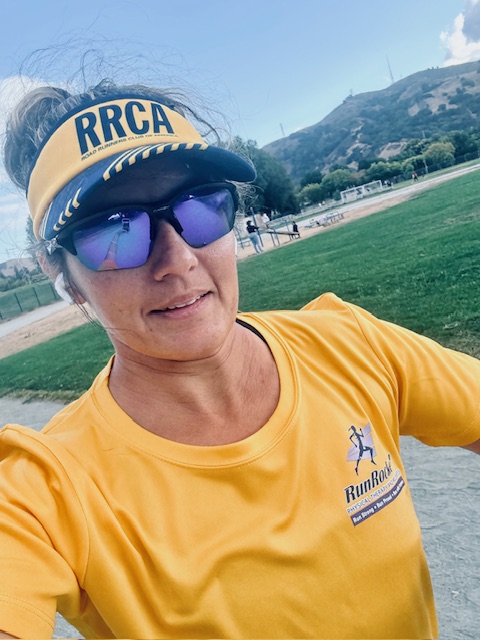
As both a Doctor of Physical Therapy and running coach, Dr. Irina combines performance coaching with injury prevention to help runners build speed, gain confidence, and enjoy the training process.
Learn more about our Coaching Programs and schedule a free consultation to see how personalized coaching can help you reach your next 5K or 10K goal.