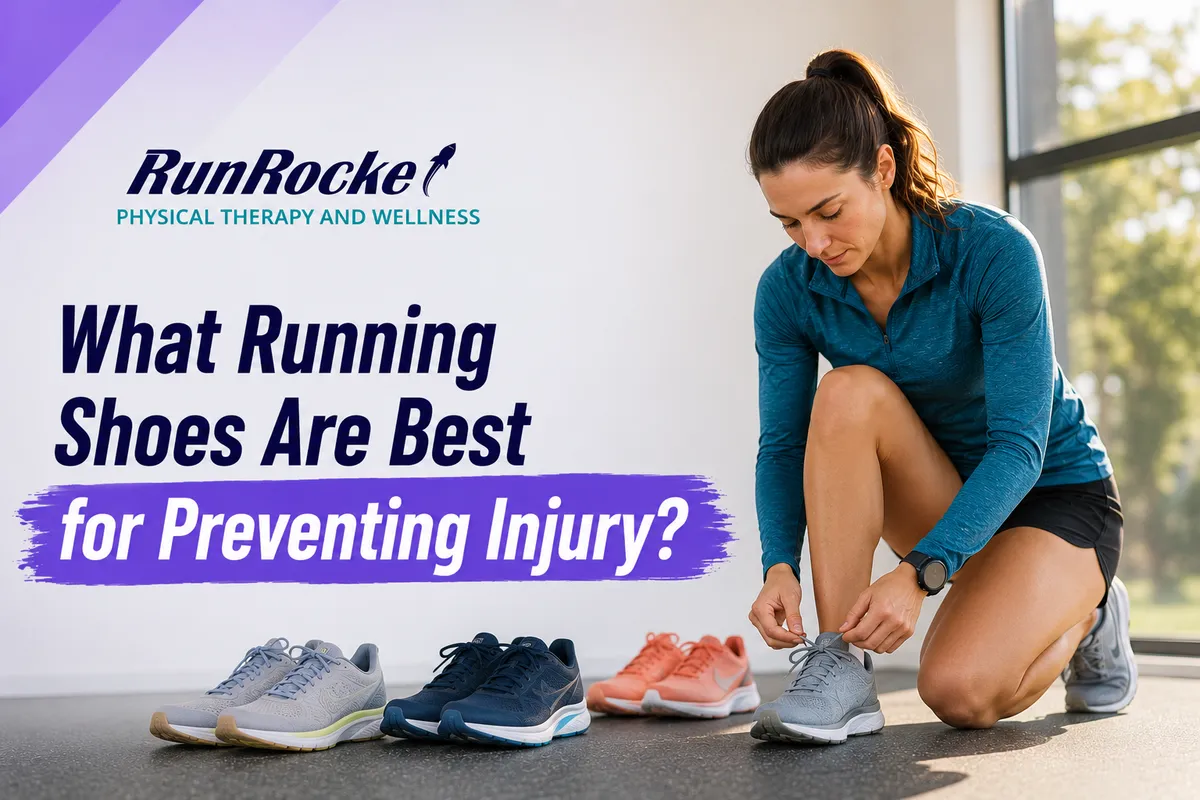
What Running Shoes Are Best for Preventing Injury?
It's one of the most common questions runners ask.
"What's the best running shoe?"
Most people expect a simple answer. They want to know which brand is best, which model prevents injuries, or which shoe every runner should buy.
The truth is much less exciting.
There isn't one perfect running shoe.
As both a Doctor of Physical Therapy and a running coach, I tell my athletes that the best running shoe is the one that fits their feet, matches their running mechanics, and feels comfortable during their runs. The right shoe for one runner may be completely wrong for another.
That's why I rarely recommend a specific shoe model before learning more about the runner standing in front of me.
There Is No "Best" Running Shoe
The running shoe industry is constantly introducing new technology and marketing the latest shoe as the answer to every runner's problems.
Carbon plates.
Maximum cushioning.
Motion control.
Minimalist designs.
While each of these shoes may have a place, none of them automatically prevents injuries.
Every runner has different feet, different movement patterns, different training goals, and different injury histories. Trying to find one shoe that works for everyone is like trying to find one training plan that fits every athlete.
Instead of asking, "What's the best shoe?" a better question is:
"What's the best shoe for me?"
Comfort Should Be Your First Priority
One of the simplest pieces of advice I give runners is also one of the most important.
Your shoes should feel comfortable.
If a shoe feels awkward when you first try it on, it's unlikely to become comfortable after twenty miles of running.
Many runners assume they need to "break in" a shoe.
In most cases, a properly fitted running shoe should feel good from the beginning.
Comfort matters because it often reflects how well a shoe matches your natural movement patterns. When a shoe fits well and feels comfortable, runners are less likely to change their mechanics in ways that create unnecessary stress elsewhere in the body.
Proper Fit Matters More Than Brand
One thing I've noticed over the years is that many runners aren't actually wearing the wrong shoe.
They're wearing the wrong size.
Shoes that are too small can create pressure, irritation, black toenails, and discomfort. Shoes that are too large can allow excessive movement that affects stability and comfort.
Before worrying about which brand to buy, make sure you're wearing the correct size.
That's one of the reasons I encourage all of my runners to visit a local specialty running store rather than ordering shoes online without trying them on. An experienced shoe fitter can evaluate your foot size, shape, and comfort while helping you find options that work well for your individual needs.
Running Form and Injury History Matter
Shoe recommendations shouldn't be made in isolation.
When I work with runners, I also consider their gait, movement patterns, and injury history.
If someone is currently dealing with an injury, I may temporarily recommend a more supportive shoe while they're recovering. That doesn't necessarily mean they'll need that same shoe forever, but the additional support can sometimes reduce stress on irritated tissues during rehabilitation.
The shoe becomes one part of the overall treatment plan rather than the entire solution.
That's why I never expect a new pair of shoes to completely solve an injury by themselves.
Shoes Can't Replace Good Training
One of the biggest misconceptions in running is that buying a different shoe will automatically eliminate pain.
Sometimes a new shoe helps.
Sometimes it doesn't.
Many running injuries are influenced by factors like:
Training too many miles too quickly.
Weak hips, calves, or core muscles.
Poor recovery habits.
Limited mobility.
Inadequate strength training.
Running through pain.
A shoe can support your body, but it can't replace smart training or address underlying weaknesses.
That's why evaluating the whole runner is always more important than focusing on footwear alone.
When Should You Replace Running Shoes?
Another question I hear frequently is how long running shoes actually last.
There's no exact mileage that applies to every runner, but my general rule of thumb is replacing shoes somewhere between 200 and 300 miles, depending on the runner, the shoe itself, and how it's wearing.
Some runners naturally wear shoes more quickly than others because of their body size, running mechanics, or the surfaces they train on.
If your shoes no longer feel comfortable, the cushioning feels noticeably different, or you're seeing excessive wear on the outsole, it may be time to start looking for a replacement.
A Small Change Can Make a Big Difference
I've worked with many runners who assumed they needed an entirely different type of shoe because something felt uncomfortable.
Quite often, the issue wasn't the shoe itself.
It was the size.
Once they were fitted properly, many of those small aches and "niggles" improved significantly. While changing shoe size isn't a cure for every injury, it's a good reminder that sometimes simple adjustments can make a noticeable difference in comfort and running enjoyment.
That's another reason I always recommend getting professionally fitted instead of guessing.
Shoes Are Only One Piece of Injury Prevention
The right shoes certainly matter.
But they aren't the only factor that determines whether you'll stay healthy.
Running mechanics, strength, mobility, recovery, training load, and overall programming all play much larger roles in keeping runners healthy over the long term.
If you're dealing with recurring injuries, simply buying another pair of shoes probably isn't enough. Understanding why those injuries keep happening is often far more valuable than changing footwear alone.
If you'd like to learn more about how personalized coaching helps reduce injury risk beyond just choosing the right shoes, read Can a Running Coach Help You Avoid Injury?.
A Gait Analysis Can Provide Valuable Information
Choosing the right shoe becomes much easier when you understand how your body moves.
A gait analysis can identify movement patterns, strength deficits, and mechanics that may influence both shoe selection and training decisions. Rather than guessing which shoe might work, you can make decisions based on how your body actually functions.
If you're curious about how gait analysis fits into a coaching program, What Should I Expect from a Running Coach? explains how movement assessments help create more personalized training plans.
The Best Shoe Is the One That Fits You
Every runner is different.
Different feet.
Different goals.
Different injuries.
Different running styles.
Instead of chasing whatever shoe is currently trending online, focus on finding one that fits comfortably, supports your needs, and allows you to run naturally. Combined with smart training, strength work, and good recovery habits, the right shoe can become an important part of staying healthy and enjoying every mile.
Ready to Train Smarter and Stay Healthy?
At RunRocket PT, we look at far more than just your running shoes. Through movement assessments, gait analysis, strength evaluation, and personalized coaching, we help runners identify the factors that truly influence performance and injury risk.
Our Physical Therapy & Wellness services help runners understand how their body moves, while our Coaching Programs combine individualized training with expert guidance to keep you progressing safely toward your goals.
Whether you're dealing with recurring injuries, training for your next race, or simply looking for the right foundation to run pain free, we're here to help you every step of the way.