
Plantar Fasciitis Treatment for Runners
Don't let persistent heel pain keep you from the running goals you've worked so hard to achieve.
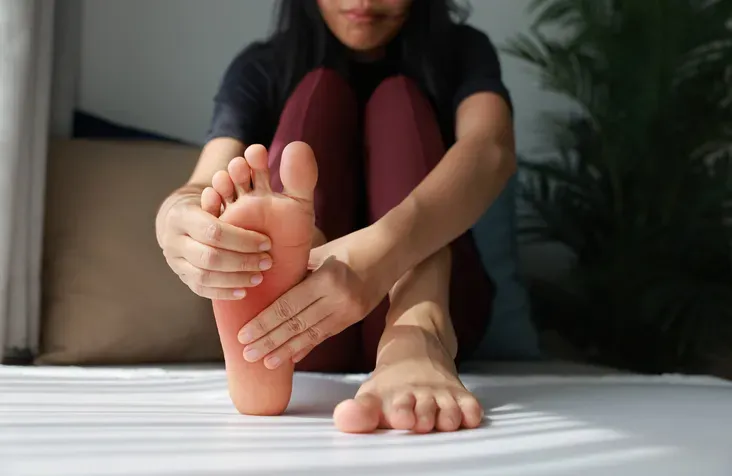
Plantar fasciitis can turn something you love into a frustrating cycle of pain, rest, and setbacks. Maybe your heel hurts during your first steps in the morning. Maybe the pain settles down once you get moving, only to return after your run. Or perhaps you've already tried stretching, icing, and taking time off, but the pain keeps coming back.
At RunRocket PT, we help runners address the factors contributing to plantar fasciitis so they can rebuild strength, return to training, and run with confidence.
Led by Dr. Irina Stiasny, a Doctor of Physical Therapy and running coach, our approach combines detailed movement assessments, personalized strength training, and individualized running modifications. Instead of simply telling you to stop running, we look at what's happening throughout your body and develop a plan that supports both your recovery and your running goals.
Your goal isn't just to get rid of heel pain. It's to get back to running and stay there.
What Is Plantar Fasciitis?
Plantar fasciitis is a common cause of heel pain involving irritation of the plantar fascia, a thick band of connective tissue that runs along the bottom of your foot from your heel toward your toes. This tissue helps support your arch and manage the forces placed on your foot when you walk, run, and push off the ground.
For runners, plantar fasciitis can develop when the demands of training exceed what the tissues in the foot and lower leg are prepared to handle.

Common Signs of Plantar Fasciitis in Runners
Sharp or aching pain underneath the heel, especially with your first steps in the morning
Heel or arch discomfort after sitting or resting for an extended period
Pain that temporarily improves as you warm up but returns later
Foot discomfort during or after longer runs
Heel pain that becomes more noticeable as training volume increases
Recurring foot pain that interferes with your normal running schedule
Not every case of heel pain is plantar fasciitis. Other conditions can produce similar symptoms, which is why an appropriate evaluation matters before deciding how to treat the problem.
Why Do Runners Develop Plantar Fasciitis?
When Dr. Irina evaluates runners with plantar fasciitis, she frequently identifies three contributing factors: sudden increases in running mileage, limited ankle mobility, and weakness in the calf muscles.
But plantar fasciitis isn't always caused by one isolated problem. Running places repeated demands on the feet, ankles, knees, hips, and surrounding muscles. When one area isn't functioning efficiently or the body isn't prepared for the amount of training being performed, other structures may experience additional stress.
Sudden Increases in running mileage
Increasing your weekly mileage too quickly can place more stress on your feet than they're currently prepared to tolerate. This is especially common when runners begin training for a race, add longer runs, or return to their previous mileage too aggressively after a break.
Limited Ankle mobility
Your ankles need adequate mobility to move efficiently through each running stride. Restrictions in ankle movement can influence how forces are distributed through the foot and lower leg.
Weak calf muscles
Your calf muscles play an important role in absorbing and producing force while running. When they lack sufficient strength or capacity for your training demands, the plantar fascia may be exposed to more stress than it can comfortably tolerate.
TRaining & recovery habits
Running volume, intensity, recovery time, footwear, and movement mechanics can all influence plantar fasciitis symptoms. That's why the right treatment plan needs to consider how you train, not just where your foot hurts.
Our Approach to Plantar Fasciitis Treatment
At RunRocket PT, we don't believe plantar fasciitis treatment should begin and end with your foot.
Dr. Irina approaches each runner's evaluation like solving a puzzle. Your symptoms are one piece, but your running history, strength, mobility, mechanics, and training habits all help explain what may be contributing to the problem.
1. Comprehensive Movement and Running Evaluation
Your initial assessment goes beyond the heel. Dr. Irina evaluates your foot and ankle while also considering your lumbar spine, hips, knees, and overall running mechanics.
She also reviews your medical and injury history, current running mileage, recent changes in training, and the goals you're working toward.
This whole-body approach helps identify weaknesses, movement restrictions, and training factors that may be contributing to your symptoms.
2. Personalized Strength Training
Strength training is a central part of Dr. Irina's approach to plantar fasciitis recovery.
Rather than relying on stretching or temporary symptom relief alone, she develops an individualized strengthening program based on what your evaluation reveals. Calf and core strengthening are especially important components of her approach, with additional exercises selected according to your needs.
The goal is to progressively improve your body's ability to tolerate the demands of running, not simply make your foot feel better for a few days.
3. Running Modifications That Support Recovery
Being injured doesn't always mean you have to give up running completely.
Depending on your symptoms and running mechanics, Dr. Irina may recommend reducing mileage, running every other day, adjusting workout intensity, or temporarily replacing some runs with cross-training.
If pain is changing your gait or causing you to limp, a temporary break from running may be necessary while you address the
problem.
Every decision is based on how your body is responding rather than following a one-size-fits-all recovery schedule.
4. Progressive Return to Running
As your symptoms improve and your strength develops, Dr. Irina helps you gradually increase your training demands.
She considers how well you recover from workouts, how your foot responds to increased activity, and whether you're consistently following your individualized strength program.
For runners preparing for races, this may also involve carefully reintroducing longer runs and more challenging workouts when appropriate.

Can You Keep Running With Plantar Fasciitis?
Sometimes, yes. But it depends on your symptoms, running mechanics, and how your foot responds to training.
One of the biggest frustrations runners experience with plantar fasciitis is being told to stop running without receiving a clear plan for returning.
Dr. Irina takes a more individualized approach. If you're able to run without significant changes in your gait and your symptoms remain manageable, modified running may be an option. If you're limping or your pain is interfering with normal movement, she may recommend temporarily stopping running and focusing on strength training and lower-impact activities.
Cross-training, including cycling, can help some runners maintain fitness while reducing the amount of running they're doing during recovery.
The important part is understanding what your body can currently tolerate and making adjustments before the problem becomes more difficult to manage.
Real Runner Results:
From Painful Marathons to Running Pain-Free
When Ingrid began working with Dr. Irina, she had been struggling with plantar fasciitis for more than a year.
She had completed the London Marathon while experiencing significant foot pain, describing the experience as feeling like she was walking on glass. With the Berlin Marathon approaching, Ingrid wanted to do more than simply get through another race. She wanted to run without the same pain.
Dr. Irina focused on modifying Ingrid's running mileage, strengthening her legs, and continuing to adjust her training as she progressed.
The result? Ingrid completed the Berlin Marathon pain-free.
According to Dr. Irina, Ingrid continued running races over the following year without her previous plantar fasciitis symptoms returning.
Her experience illustrates why treating plantar fasciitis in runners involves more than resting until the pain subsides. Strength, training modifications, and consistent attention to recovery can make a meaningful difference.
Individual results vary, and recovery depends on the runner's condition, training demands, and response to treatment.
Plantar Fasciitis Recovery for Recreational Runners and Competitive Athletes
Not every runner has the same goals, and your recovery plan shouldn't assume that you do.
If your primary goal is to enjoy a few comfortable miles each week, your program may focus on rebuilding strength, improving movement, and returning to consistent, manageable running without the demands of race preparation.
If you're training for a half marathon, marathon, or another competitive event, Dr. Irina considers your race schedule and training needs while determining which workouts can safely remain in your program and which may need to change.
For example, a runner without an upcoming race may benefit from lower weekly mileage and less emphasis on speed work. Someone preparing for a race may need a more structured approach to balancing rehabilitation with endurance training.
In both cases, the priority is helping you build the strength and training capacity needed to support your goals without repeatedly aggravating your symptoms.
Why Choose RunRocket PT for Plantar Fasciitis?
Physical therapy knowledge meets running coaching
Dr. Irina brings her background as a Doctor of Physical Therapy and running coach to every assessment and training recommendation. She understands that recovering from an injury is only part of the challenge. Runners also need guidance on how to return to the activity they love.
Individualized Plans, Not Generic Exercises
Your strength program and running modifications are designed around your evaluation, training history, physical abilities, and personal goals. What works for one runner may not be appropriate for another.
A Focus on Long-Term Running Health
Dr. Irina wants runners to understand why their symptoms developed and what they can do to reduce the likelihood of future setbacks. Building strength and managing training progression remain important even after your heel pain improves.
Support for Your Actual Running Goals
Whether you want to return to recreational running, complete your first half marathon, or prepare for another marathon, your recovery plan considers the bigger picture of what you're working toward.
Frequently Asked Questions About Plantar Fasciitis in Runners
How long does plantar fasciitis take to heal?
Recovery time varies depending on how long you've had symptoms, the severity of your condition, your current training demands, and how your body responds to treatment. Plantar fasciitis can take time to improve, particularly when symptoms have been present for months. Consistent strengthening, appropriate training modifications, and gradual progression are important parts of recovery.
Do I need to stop running completely?
Not necessarily. Some runners can continue with modified mileage and intensity, while others need a temporary break. Dr. Irina considers your pain, gait mechanics, and response to activity when making recommendations. Running with a limp or significantly altered mechanics is a reason to stop and seek further evaluation.
Is stretching enough to treat plantar fasciitis?
Stretching may help manage certain symptoms, but it doesn't necessarily address the strength deficits or training factors contributing to plantar fasciitis. Dr. Irina emphasizes progressive strengthening, especially for the calves and core, along with individualized running modifications.
Can plantar fasciitis come back after it goes away?
Yes. Dr. Irina frequently sees symptoms return when runners discontinue their strengthening routines or increase mileage too quickly after feeling better. Continuing to build strength and managing training progression can help reduce the risk of recurrence.
Can I train for a marathon while recovering from plantar fasciitis?
It may be possible, depending on your symptoms, physical capacity, and training timeline. Some runners can continue preparing for a race with adjustments to mileage, intensity, strength training, and recovery. Others may need to reconsider their race timeline to avoid worsening the condition.
When should I get help for plantar fasciitis?
It's worth seeking an evaluation when heel pain begins interfering with your running, repeatedly returns after rest, or causes you to change the way you walk or run. Sudden severe pain, substantial swelling, or difficulty bearing weight warrants prompt medical evaluation. Addressing symptoms early may help prevent a prolonged cycle of pain and interrupted training.
Get Back to Running With Confidence
You shouldn't have to choose between ignoring your heel pain and giving up the sport you love without a plan.
At RunRocket PT, Dr. Irina helps runners understand what's contributing to their plantar fasciitis, develop strength where it's needed, and make informed decisions about returning to training.
Whether you've recently developed heel pain or have been struggling with plantar fasciitis for months, the first step is understanding what's happening and creating a plan that fits your body and your goals.
Ready to work toward pain-free running? Connect with RunRocket PT to discuss your symptoms, running goals, and next steps.
Run Rocket PT
Empower your running potential with RunRocket PT.
Copyright © 2026 Run Rocket Physical Therapy and Wellness.
All rights reserved.
Connect On

